Ask ten websites for the best AI personal assistant in 2026 and you will get ten different winners, along with a suspicious number of affiliate links. That is not entirely the writers' fault, because the category genuinely exploded this year and coverage has not caught up. Assistants that remember you across months, check in without being asked, and carry real work through to a result shipped from at least ten serious teams in 2026, and every one of them arrived claiming to be the future. Readers are left to sort marketing from evidence on their own.
This article takes a different route. We scored ten assistants against one published scorecard — five axes, each rated 1 to 5, for a total of 25 — and the math sits next to every verdict. Each product gets at least one real strength and at least one honest limitation, including the product made by the people writing this sentence. If a score below looks wrong to you, keep reading: the section behind every number is written so you can argue back with evidence.
How We Tested and Scored
Five axes make up the score, each worth a maximum of 5 points. The first two measure how personal an assistant actually is. Memory depth asks what the assistant retains about you and how inspectable that memory is — a memory you can view, edit and delete row by row scores higher than a memory you are asked to trust. Proactivity asks whether the assistant initiates: does it notice what needs doing and bring work to you, or does it wait for a prompt like any chat window?
The remaining three axes measure usefulness. Execution and integrations covers what the assistant can actually complete and how much of your life it can touch — connectors, integrations, and protocols such as MCP. Platform reach counts the surfaces where it meets you, from desktop and mobile to email and messaging. Value weighs the free tier and the honesty of pricing, because a capable assistant you cannot afford to run is a demo, not a helper. If the category is new to you, what an AI personal agent covers the memory-plus-initiative-plus-execution definition these products are converging on.
Three procedural notes belong up front. The axes carry equal weight on purpose, because any weighting would smuggle our biases into the math — you get to weight them your way instead. Ties break on the combined memory and proactivity scores, the two axes that separate a personal assistant from a tool. And the disclosure: Today is our product. It was scored on the same axes as everyone else, its weaknesses appear in the same format as every other entry, and each of its 21 points is defended with evidence you can check in the text.
The Scorecard at a Glance
The table below is the whole article compressed into ten rows. Scores reflect the state of each product as of September 2026, and every number is defended in the section that follows. Read the table as a summary first, then hold it against the write-ups — that is what it is published for.
| Rank | Assistant | Memory | Proactive | Execution | Reach | Value | Total |
|---|---|---|---|---|---|---|---|
| 1 | Today | 5 | 4 | 3 | 4 | 5 | 21 |
| 2 | Town | 4 | 4 | 5 | 3 | 3 | 19 |
| 3 | Gemini | 3 | 3 | 3 | 5 | 5 | 19 |
| 4 | Meta Muse | 3 | 3 | 4 | 4 | 4 | 18 |
| 5 | ChatGPT | 3 | 2 | 3 | 5 | 4 | 17 |
| 6 | Instinct | 4 | 4 | 3 | 1 | 2 | 14 |
| 7 | Apple Intelligence | 2 | 2 | 2 | 3 | 4 | 13 |
| 8 | Pi | 2 | 1 | 1 | 4 | 4 | 12 |
| 9 | Limitless | 3 | 2 | 1 | 3 | 2 | 11 |
| 10 | Grok Bot | 2 | 2 | 3 | 2 | 2 | 11 |
Two ties appear in the table, and both resolve the same way. Town edges Gemini because their combined memory and proactivity scores run 8 to 6, and Limitless edges Grok Bot by the same logic at 5 to 4. Execution matters, but an assistant that neither remembers you nor initiates anything is missing the traits the category exists to deliver, so those two axes carry the tie-break.
The Ten Assistants, Ranked
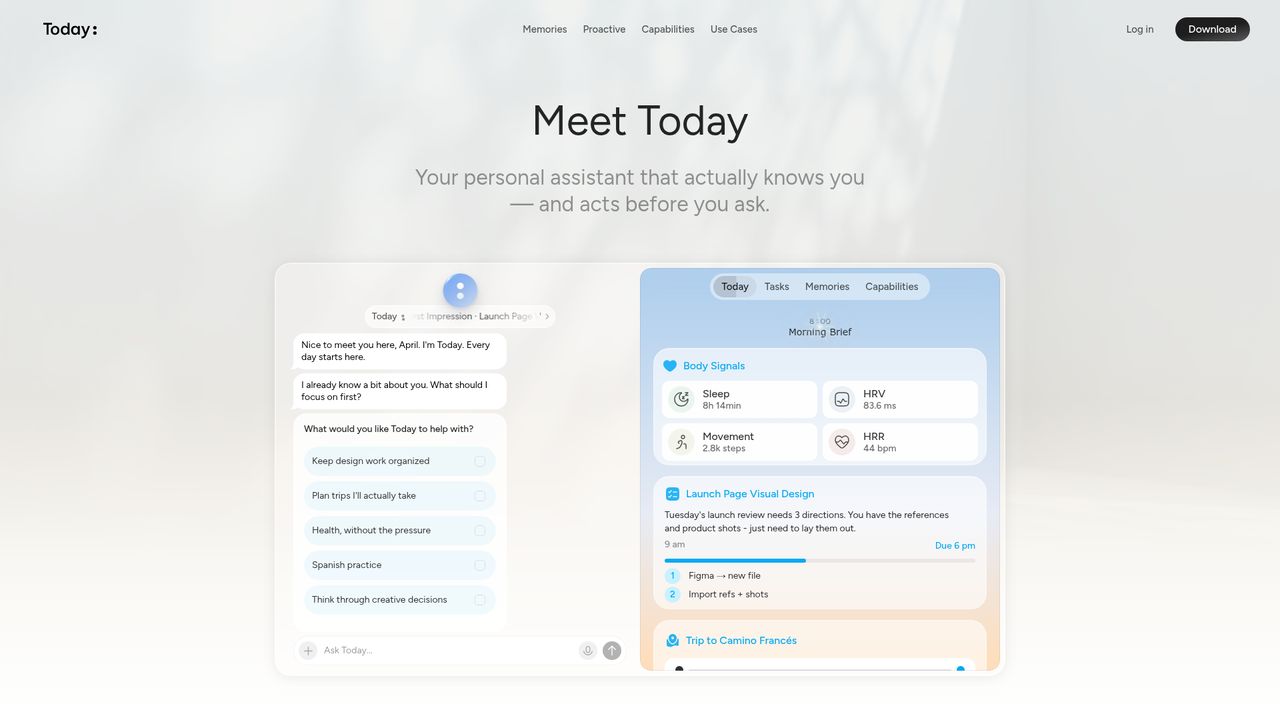
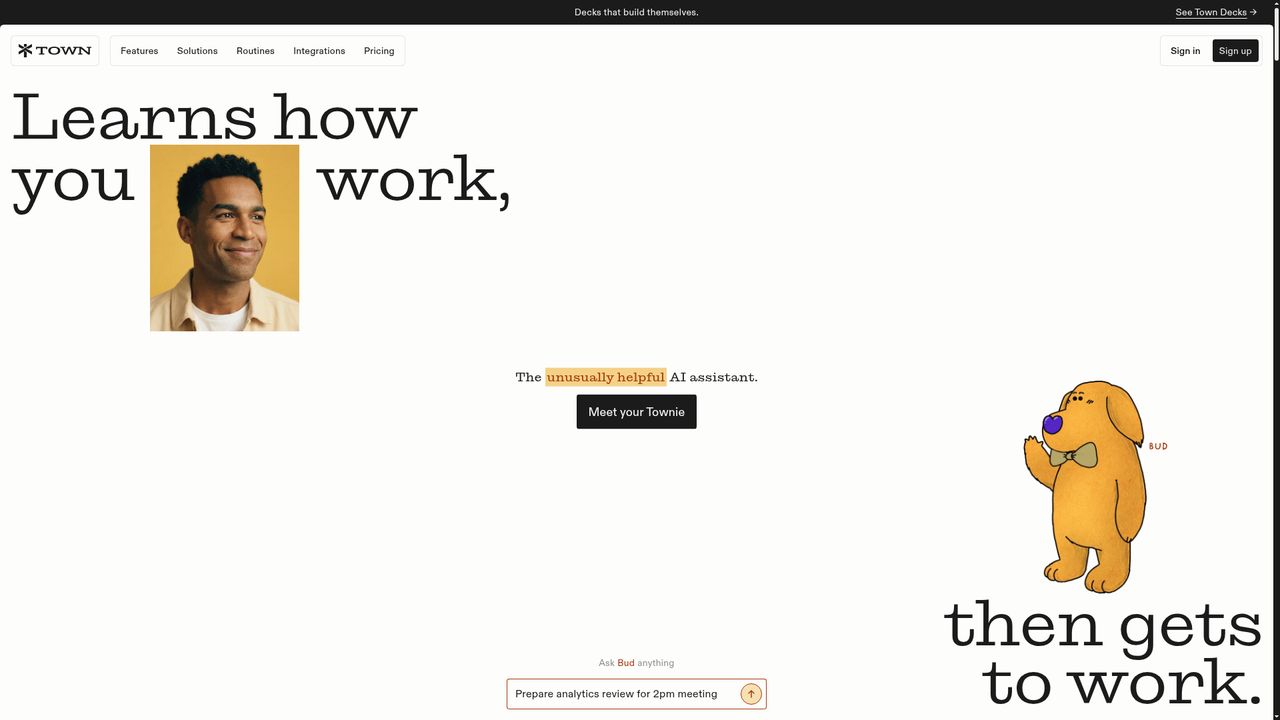
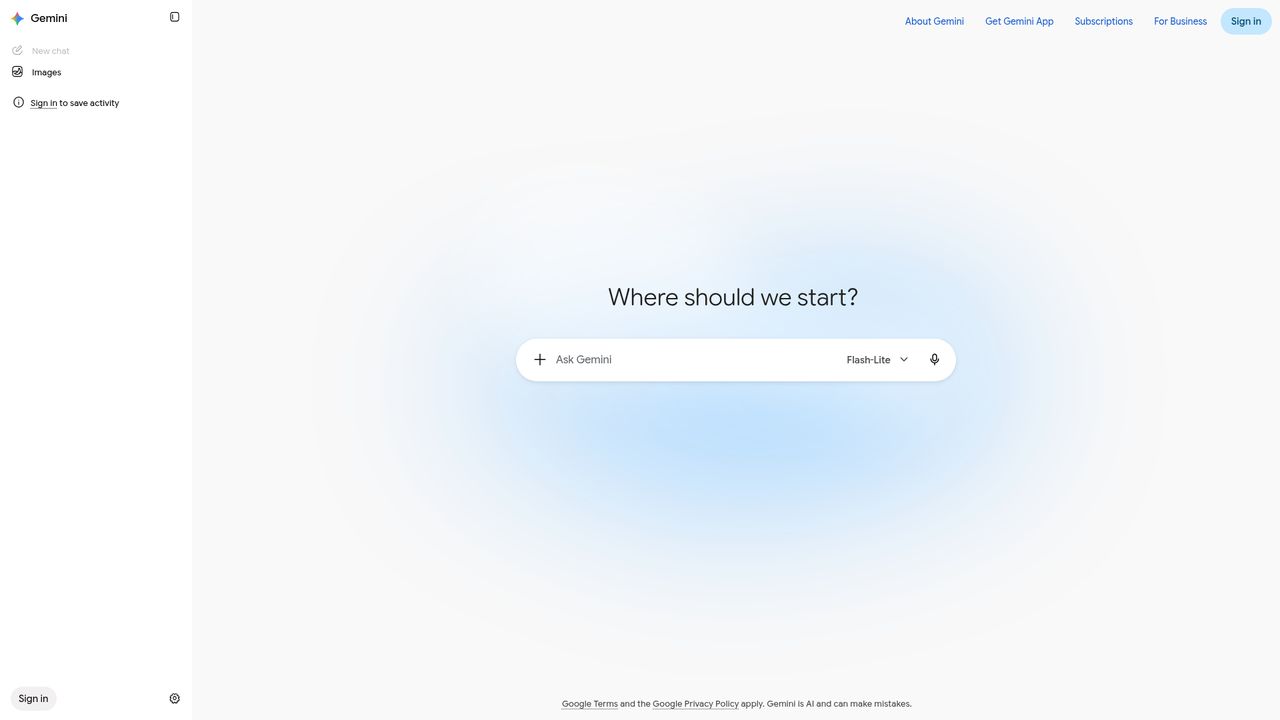
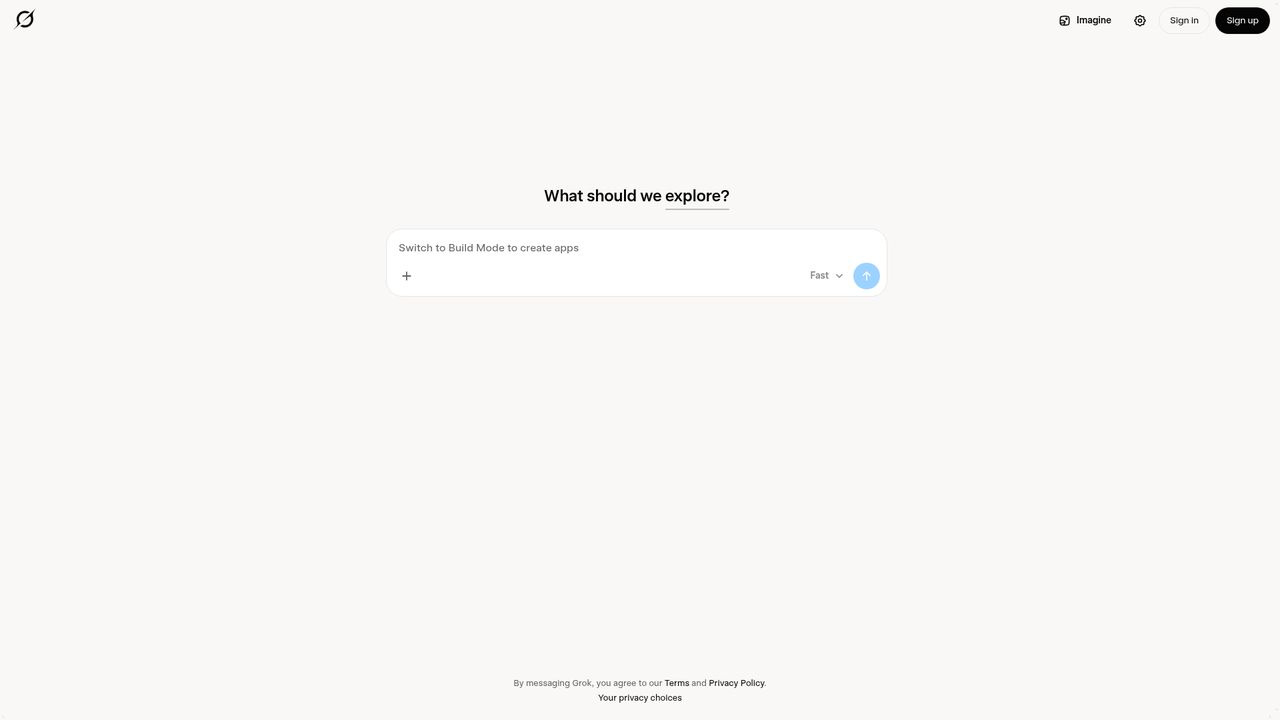
Each entry below follows the same shape: what the product is, where it genuinely excels, where it honestly falls short, and who should pick it. The screenshot under each section shows the product as we tested it. Where a deeper explainer exists for a product, we link it rather than repeat it.
1. Today — The Whole-Life Leader
Today is a free, generally available assistant on Mac, iPhone and Android, built on one premise: your whole life is the context, not just your workday. Its living memory is the most inspectable we tested — every row can be viewed, edited or deleted, which turns what the assistant knows about you from a black box into a document you control. Proactivity arrives through morning and evening briefs anchored to your actual day, and the memory reads both HealthKit and Health Connect, so it knows whether you slept before it starts planning your morning.
On execution, Today runs connectors behind a confirmation gate, spins up cloud computers for longer jobs, and grows through Community Skills. For meetings, Today Recording writes notes into that same living memory, so a summary knows which project and which people a decision touches. The honest limits: execution breadth trails Town's 59-integration catalog, the connector directory is not published for audit before you connect anything, and the brand is young, with a track record measured in years rather than decades. Best for anyone who wants one assistant across work, health and family without a subscription gate.
2. Town — Execution Champion for the Workday
Town is an email-native assistant that came out of beta on June 3, 2026 with a $55 million Series A led by a16z, and the workday is its home turf. A Townie with its own @town.com address learns from your inbox and calendar, drafts replies in your voice, and runs recurring routines — the routines library is the most productized version of proactivity on this list, concrete jobs you install in one click instead of vague promises to keep an eye on things. Execution is where it outscores everyone: 59 integrations, plus support for any MCP server by URL, which extends its reach to internal tools no directory has ever listed. Reportedly more than 15% of trial users convert to paid, per a 20VC interview with the CEO — several times the self-serve norm and the clearest evidence the demand is real.
The limits are structural. There is no Android app, and there are no health signals of any kind — the Townie plans your meetings with no idea whether you slept. The free tier's 30 messages a month is a taste rather than a plan; the real entry is $15 a month, the routines that make Town interesting arrive at $49, and overage runs about $0.03–0.04 per credit beyond that. Best for anyone whose problem is professional throughput on a Mac or an iPhone. Our Town explainer goes much deeper on all of it.
3. Gemini — Free Reach at Google Scale
Gemini is Google's answer, and it wins the scorecard's distribution story outright. It is free, it meets you in Search, Gmail, Photos, on Android and on the web, and its Personal Intelligence direction means it personalizes from the Google activity you already generate rather than asking you to brief it. The proactive layer has been arriving in steps — Scheduled Actions in June 2025, Help Me Schedule in October 2025, then Agent Mode and persistent agents announced at I/O 2026 in May. No single capability is the deepest version of itself, but free access at five-star reach is a combination nothing else on this list matches.
Two things hold it below the top. Memory governance comes first: Gemini learns from your activity, but the memory is not inspectable the way Today's is — you steer what it uses without reading it row by row. Ecosystem gravity comes second: the experience is built to orbit Google services, so the further your life sits from that ecosystem, the less the reach score means for you personally. Best for anyone who wants a genuinely capable assistant that costs nothing and is already everywhere. Our Gemini deep dive covers the feature set in detail.
4. Meta Muse — Errands With Purchase Protection
Muse is Meta's assistant, opened to the US on September 8, 2026, free to use with Power at $20 and Maximum at $100 above it. Its memory and proactivity are competent without being category-leading — errands remembered, follow-ups proposed — which is why both score 3. Execution is the stronger suit: actions run inside a Secure VM and pass a Sentinel approval layer, and Muse is the first agent covered by Stripe Link purchase protection. When an assistant can spend your money, someone standing behind the transaction changes the math. WhatsApp support is native, which puts Muse in more pockets than almost anything else here.
The reservations are real, and reviewers said so plainly: The Verge concluded that Muse works but unsettles them, and Wired's verdict amounted to a product that needs you to trust it. The promised Confidential VM had not shipped as of this writing despite a 2026 target, the rollout is US-first, and trust in Meta is not a given for every reader. Best for errands — shopping, travel, email — inside the Meta ecosystem, with purchase protection on top. Our Muse explainer covers the details.

5. ChatGPT — The Raw-Intelligence Ceiling
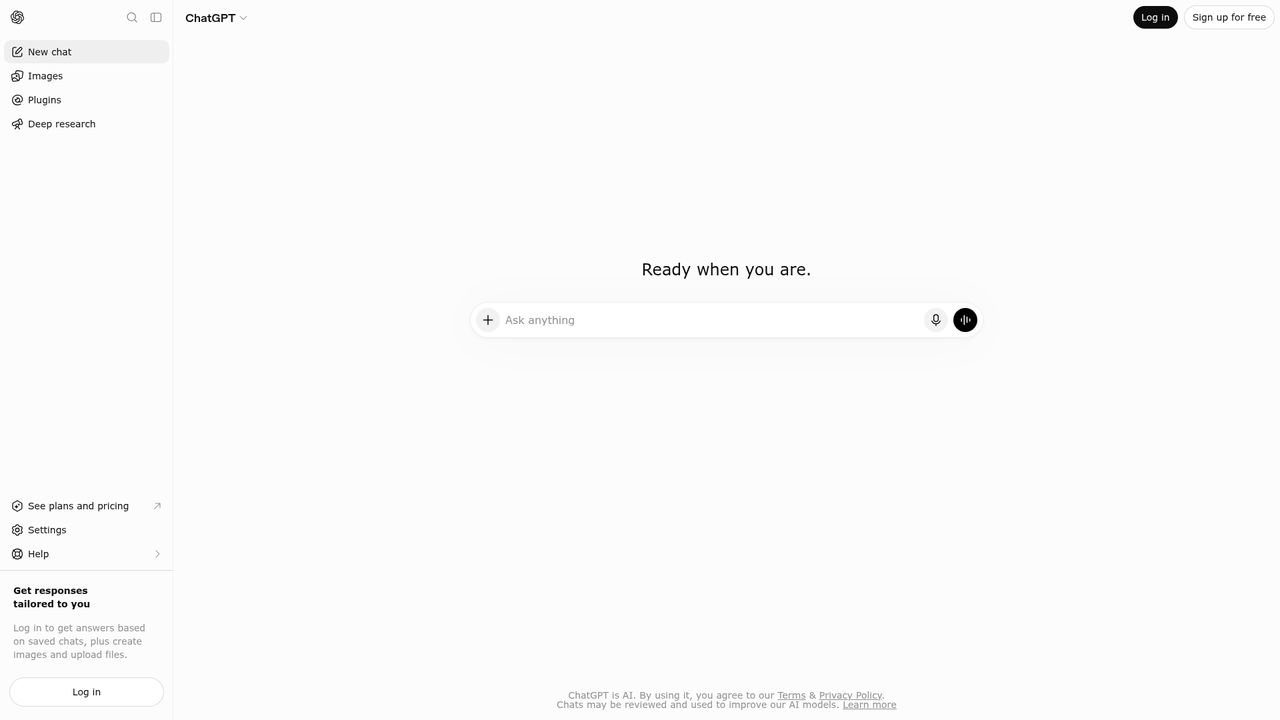
ChatGPT needs the least introduction: free to start, Plus and Pro above it, and still the highest ceiling for open-ended thinking on this list. It remembers you, it supports scheduled tasks, and its agent capabilities keep evolving release by release. For drafting, research and difficult questions, nothing else here matches the raw model, and that alone keeps it installed on hundreds of millions of devices.
The scorecard dents it on posture. ChatGPT is chat-first: it largely waits to be asked, which is why proactivity scores 2, and its memory, while present, is less inspectable than a row-level system. Reach is high because the apps are everywhere, but it meets you as a conversation rather than a colleague who watched your week. Best for people who want one tool that can think about almost anything and are happy to drive it themselves.
6. Instinct — Best Experience, Hardest Access
Instinct makes the category's most radical interface bet: there is no app to open. You text or call it, it learns from device-level signals such as screen, audio and location, and early users describe the result as the most convincing assistant experience in the category. The company raised a $250 million Series B at a $2.5 billion valuation, and in September 2026 TechCrunch reported an email gateway at mail.instinct.com — a single-source report, so hold it lightly. Memory and proactivity both score 4 because ambient learning and initiative are the entire design.
Then there is the reach score: 1. Instinct is invite-only, with no public pricing, which is why value scores 2 — you cannot evaluate a plan that has not been published. Execution scores 3 because work genuinely happens over text and calls, though the zero-interface design trades breadth for closeness. The company also went through a privacy controversy in August 2026 over its signal collection and responded by adding deletion tools; we retell that neutrally, but it belongs in your evaluation. Best for people who can get an invite and are comfortable being early. Our Instinct explainer covers the signal model in detail.

7. Apple Intelligence — The Privacy Baseline
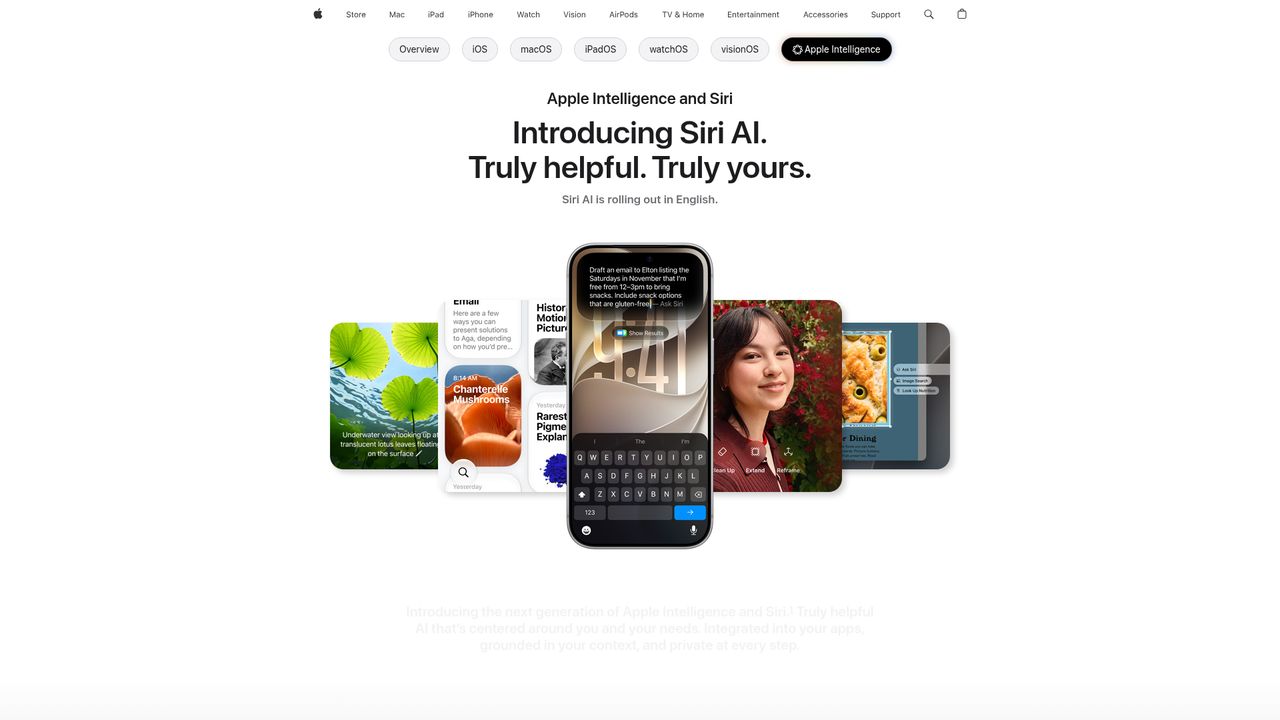
Apple's entry is different in kind: less an app than a system layer across Apple devices, organized around privacy, with most processing kept close to the device. Its proximity to HealthKit gives it a natural path into the health signals most rivals lack, and for households already inside the ecosystem it ships with the hardware — no signup, no new account, no separate subscription.
The scorecard is blunt about the rest. Memory, proactivity and execution all score 2: cross-app agent depth is limited, the rollout of its more ambitious features has been gradual, and compared with dedicated products the ambition is narrower today. Best for Apple households that want a private baseline and can wait for it to deepen.
8. Pi — Conversation as the Product
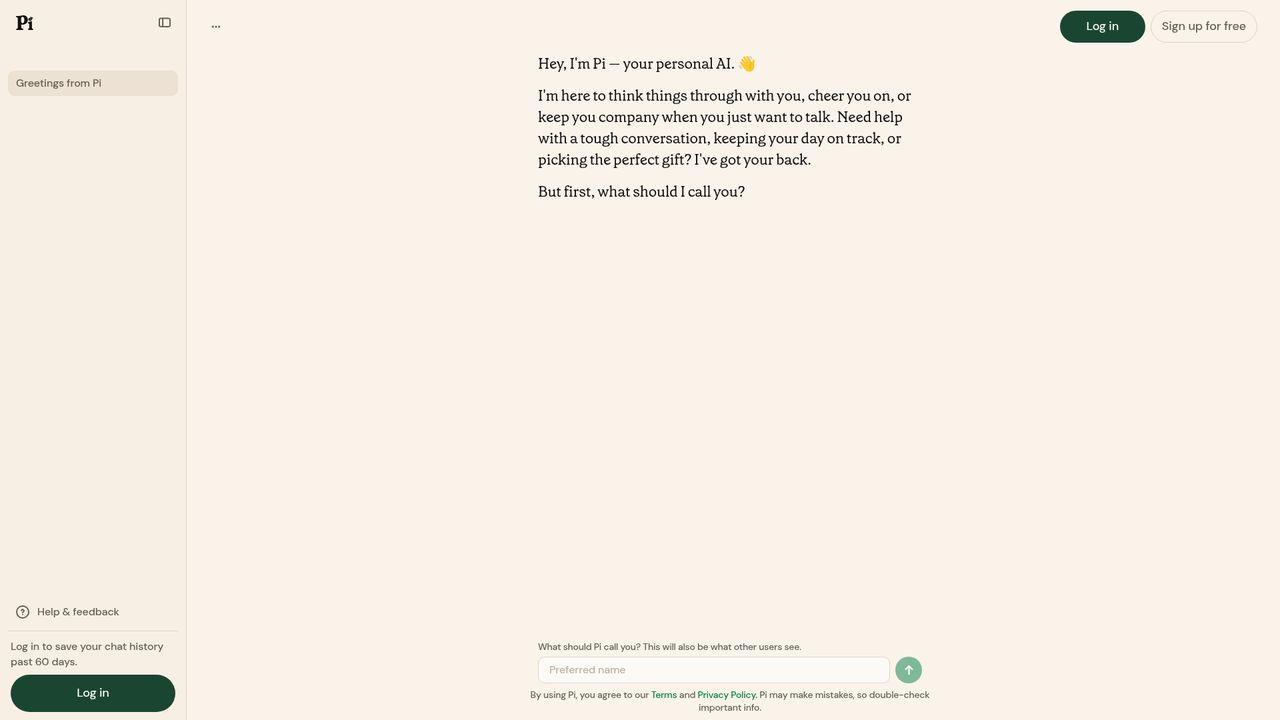
Pi, from Inflection, is the list's companion. It is built for conversation — warm, patient, good at talking through a decision or a difficult day — and it remembers your exchanges well enough to feel continuity. It is free to use with a subscription option, and within its lane the quality is genuinely high, which is why reach and value both score 4.
The lane is the limitation. Execution scores 1: Pi will not send an email, book a table or touch a calendar. Proactivity scores 1 for the same reason — it responds rather than initiates. Best for reflection, support and thinking out loud, with a tool that makes no pretense of running your errands.
9. Limitless — Memory Capture First
Limitless approaches the category from the other direction: instead of an assistant that acts, it is a memory that captures. The pendant and its app record and transcribe what you say and hear, then make it searchable — for meetings, conversations and the details that evaporate within hours, the capture quality is the product's real strength, and it is why memory scores 3 despite everything else.
Everything downstream of capture is where it thins out. Execution scores 1, because Limitless records your life rather than running it, and value scores 2, because you are paying for hardware plus a subscription to solve one slice of the problem. Best for people whose actual pain is forgetting what was said.
10. [Grok Bot](/blog/what-is-grok-bot) — The Young Persistent Teammate
Grok Bot is xAI's take on the persistent assistant: a named teammate that lives on a cloud computer, keeps its context between sessions, and works through tasks on that machine. The cloud-computer execution model is genuinely interesting, which is why execution scores 3 despite the product's age, and the persistent-teammate framing points at the same future everyone else is building toward. Our full Grok Bot explainer covers coordination, routines and permission boundaries.
It shows its age everywhere else. Memory and proactivity score 2 because the product is young and its long-horizon behavior is still inconsistent, reach scores 2 with few surfaces available, and value scores 2 because what it costs to run seriously is not yet settled. Best for experimenters who want to watch this category evolve in real time and do not mind the rough edges.
How to Choose
Start from the shape of your problem rather than the size of any score. If your days dissolve into inbox backlog, unprepared meetings and follow-ups that slip, Town attacks exactly that, and its routines are the fastest path to value in the category. If the problem is the whole day — work, health and family in one context — Today is built for that shape, and its free plan removes the pricing question entirely. If you mainly want capable help at zero cost and you already live in Google's apps, Gemini is the rational default.
Access decides as much as quality. Instinct is reportedly the best experience available, and none of that matters while the invite list stays shut; Muse is free in the US and strongest for errands with money behind them; ChatGPT remains the tool to reach for when the task is thinking rather than doing. Hardware-inclined readers with a forgetting problem should look at Limitless, Apple households that prefer privacy over ambition already own their baseline, Pi earns its place when the need is conversation itself, and Grok Bot rewards the experimentally minded. One distinction helps when you re-read the table: assistant versus agent marks the line between help that answers and help that acts, and several products here sit on both sides of it. None of these picks are permanent — scores in this category move quarterly — so weight the axes your own way and re-run the math when the products move.
Conclusion
There is no single winner in 2026, and any article claiming otherwise is selling you something. Today leads the board at 21 on the strength of whole-life memory and value, Town and Gemini tie at 19 with opposite strengths, and the right pick depends on which axes you weight — which is why the scorecard is published rather than hidden. Whatever you choose, pick a product whose memory you can inspect and whose actions require your approval; the rest of this category's promises are negotiable. If the whole-life shape fits your problem, get started with Today.