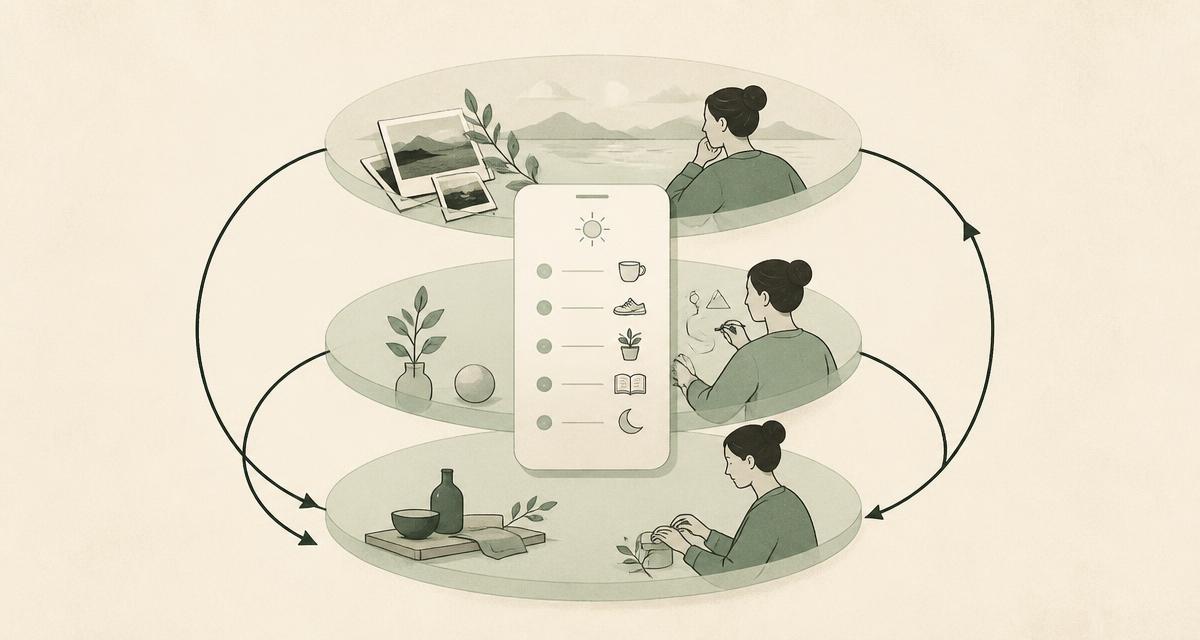
The label is crowded in 2026—every product page says "agent." This article defines what personal agent should mean when the subject is your life, not a single workflow or enterprise task.
Search engines and buyers conflate three words—assistant, agent, companion. We use AI personal agent when a product claims all of: durable memory, day-tied initiative, and confirm-gated execution. If a tool lacks any leg, name it honestly; users will discover the gap within a week of real use anyway.
Why "AI Personal Agent" Is a Category Now
Models crossed a capability threshold: planning, tool use, and long context are table stakes. The bottleneck moved to relationship—how much of your life the system retains, whether it watches the right signals, and whether output changes the world or only describes what you should do. You can ask a chatbot to draft a reschedule email in seconds; the harder question is whether anything remembers that you owe the draft, that Thursday is already overloaded, and that the stakeholder prefers async updates.
Search interest clusters around AI personal assistant, proactive AI, and AI with memory—but assistant undersells execution and chatbot undersells persistence. AI personal agent names the combination: personal scope, agentic behavior (initiative + tools + multi-step plans), and accountability (human confirm before external actions). Industry writing increasingly blurs those poles; IBM's distinction between AI assistants and AI agents is a useful anchor—assistants tend toward reactive help, while agents add goal pursuit, tool use, and multi-step plans that can continue without constant prompting.
If you already know Today, treat this as the vocabulary layer; product specifics and founder intent live in the companion posts linked from section 7 below.
AI Personal Agent Defined
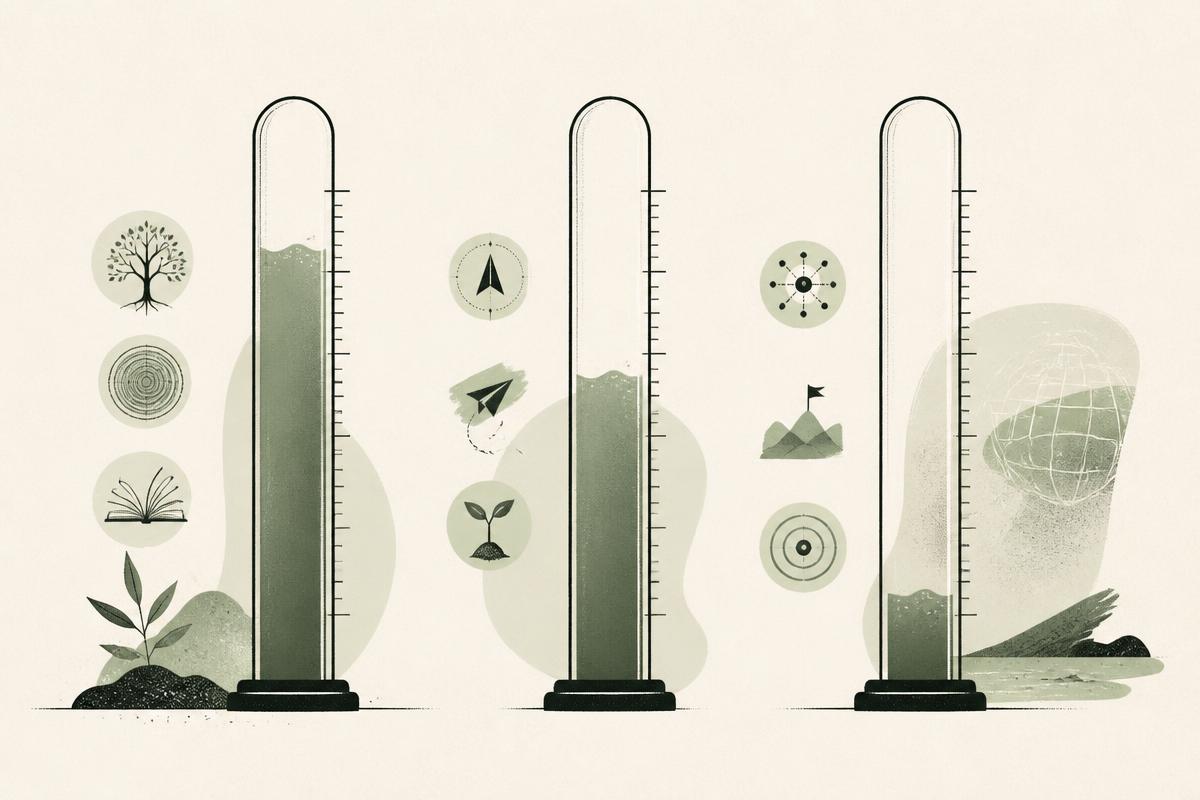
Personal agents sit at the intersection of memory, initiative, and execution. The definition below is deliberately strict: a product that misses one leg may still be useful, but it should not borrow the full "agent" label without earning it.
Core Definition
An AI personal agent is software that:
- Maintains durable, user-controlled memory about people, projects, preferences, and commitments—not only the current chat thread.
- Monitors signals that matter to you (calendar, mail, health, notes—when connected) and initiates help when something changes, within strict notification limits.
- Plans and executes tasks across connected tools—draft, schedule, reorganize—then pauses for your confirmation before irreversible external actions.
The human remains the approval gate. That boundary separates personal agents from fully autonomous systems and from chatbots that never touch your apps.
Five Properties That Distinguish Real Agents
Real personal agents differ from enterprise ticket bots and from generic chat wrappers on five behavioral dimensions, and those dimensions tend to show up together rather than as optional add-ons. Personal scope means the system optimizes your whole day—work, health routines, learning goals, household logistics—not a single department queue. Inspectable memory means facts live in rows you can read, edit, and delete; black-box profiling fails trust when the software sits in your daily rhythm. Day-first UX means the default view reflects schedule and change, not an empty prompt waiting for you to perform the morning briefing.
The remaining two properties govern whether initiative feels helpful or hostile. Scoped execution ties every suggestion to an action the agent can actually finish—proposing calendar moves it cannot perform trains you to ignore it. Restrained proactivity caps anchors (morning and evening briefs, not hourly pings) and surfaces only decisions you still have time to make. McKinsey's framing of agentic AI emphasizes orchestration across steps; in personal software, orchestration only works when notification volume stays low enough that you still read the first screen of the day.
Agent vs. Assistant vs. Chatbot
Buyers feel whiplash because vendors reuse all three labels on the same homepage. A behavioral table cuts through packaging faster than a feature checklist.
| Dimension | Chatbot | AI assistant (generic) | AI personal agent |
|---|---|---|---|
| Primary input | User prompt | Prompt + some app context | Day state + memory + prompts |
| Memory | Session / thread | Varies; often shallow | Durable life memory |
| Initiative | Reactive | Reminders you configure | Reacts to life change |
| Execution | Text output | Sometimes single-app actions | Cross-app with confirm |
| Best for | One-off Q&A | Narrow tasks | Whole-day continuity |
When a chatbot wins: single-shot questions, zero setup, no need to connect personal data.
When a generic assistant wins: you live in one ecosystem (e.g., phone-only reminders) and do not need cross-app execution.
When a personal agent wins: context spans weeks, apps, and roles—and re-briefing a blank box daily is the pain.
For deeper dives: assistant vs personal agent compares classic assistants to agents on the three axes above; personal agent vs work agent separates whole-day personal continuity from delegated work agents like Cowork and ChatGPT Work.
What an AI Personal Agent Does in Practice
In practice, a credible personal agent runs a continuous loop rather than waiting for isolated prompts. It notices when something meaningful shifts—a calendar conflict, an unread thread that affects today's priorities, a sleep shortfall that should change workout intensity, a deadline slipping against a promise you made last week. It retrieves the relevant memory row and document: project dates, dietary preferences, the prior commitment you forgot you made. It proposes a concrete next step—a draft message, a schedule change, a reorganized afternoon block—and then waits for you to confirm, edit, or reject before anything irreversible happens. Only after that gate does it execute: the change lands in calendar, mail draft, or notes, and memory updates so the next cycle starts from truth instead of guesswork.
Consider a meeting that moves into conflict with school pickup. A personal agent that knows pickup duty from memory can propose shifting an internal call, draft a reschedule note, and pause for your approval. A chatbot answers how to write a reschedule email; the agent handles retrieval, drafting, and scheduling prep in one motion. The same loop now runs on the meeting itself: meeting notes that know your context remember which project a decision belongs to and what changed since last week. Another common pattern is stale commitments: you told a collaborator you'd send a draft "by end of week" three conversations ago. A chatbot does not surface that unless you ask. A personal agent ties the promise memory row to Thursday's calendar density and nudges you before the deadline becomes embarrassing—again, only if the nudge clears the "would a good human mention this?" bar.
That loop is what separates agent behavior from impressive demos. Vendor keynotes love fireworks Tuesdays; personal agents prove themselves on boring Wednesdays when prevention beats drama—fewer missed handoffs, fewer stale promises, fewer "I forgot to move that block" moments.
Memory and Proactivity — The Hard Parts
Memory and proactivity are where personal agents either compound trust or burn it within a week. Both require explicit product design, not model scale alone.
Living Memory
Memory should store stable facts (people, dietary prefs, standing commitments), not verbatim chat exports. It should update when you correct it and stop using deleted facts immediately.
For health-adjacent signals (sleep, HRV, movement), agents must stay in lifestyle support territory—not diagnosis. Products like Today state that boundary explicitly on Healthcare pages.
Proactivity with Restraint
Detection is easy; judgment is hard. Personal agents need explicit rules: maximum items per brief, collapse by default, no pings for changes you cannot act on yet. Trust compounds when the first screen of the day is reliably right.
False positives erode faster than false negatives. Missing a minor calendar drift annoys you once; pinging you twelve times before lunch trains you to ignore the agent entirely. Product teams that treat "more notifications" as engagement usually ship a chatbot wearing an agent badge—high volume, low trust, zero execution. Restraint is not a missing feature; it is the mechanism that keeps initiative readable.
Execution and Connectors

Agents without connectors can still remember and advise; agents with connectors can finish. That gap explains why some "memory" products feel like journals while others feel like logistics partners. Connectors turn advice into outcomes you can approve instead of copy-paste homework.
Typical connector classes include calendar (find gaps, move events, protect focus time), mail and messages (draft, surface stale threads), notes and files (attach the doc needed now), and health (adjust intensity when recovery is low). Every connector should be opt-in and revocable. Execution without consent erodes trust faster than wrong text.
When you evaluate a product claiming the personal agent label, look past the demo reel. Ask to see the memory panel, a sample morning brief, and the confirm step before calendar or mail writes. Missing any one is a signal to downgrade the claim from "agent" to "assistant."
Google Research's work on proactive conversational assistants highlights how hard it is to decide when to speak first; personal agents inherit that difficulty and add the obligation to act correctly once you say yes.
How Today Implements the Category
Today is our AI personal agent for whole-day life: living memory, proactive briefs, and connector-backed actions with confirmation. It is available now and currently free (Terms). We publish three lenses on the same product so no single page tries to do everything—this article defines the category, our full product walkthrough walks through memory, proactivity, connectors, and a day-in-the-life, and the founder's vision post explains why long arcs and personal scope beat inbox speed. Start here if you are comparing tools; start with the product post if you are deciding whether Today fits your week.
We are explicit about what Today is not:
- Not a medical diagnostician—lifestyle support only.
- Not fully autonomous—external sends require your approval.
- Still evolving—connector and skill coverage keeps expanding.
Today runs on Mac, iOS, and Android; connector availability expands over time—check the landing capabilities section.
Common Mistakes When Shopping for a Personal Agent
Most buyer regret in this category comes from mismatched expectations, not from picking the wrong model.
Confusing Memory with Chat History
Long threads are not editable facts. If you cannot delete a wrong belief, you do not have agent-grade memory—you have searchable chat logs the model may weight unpredictably next session.
Treating Notifications as Proactivity
Volume is not initiative. A product that pings you twelve times before lunch is optimizing engagement metrics, not your day. Credible agents cap anchors, collapse detail by default, and surface decisions that still have time windows. If the only proactive feature is an endless notification stream, expect to mute the app within a week.
Expecting Autonomy Without Accountability
Confirm-before-send is a feature, not a limitation—especially for mail and calendar actions tied to your name. Fully autonomous sends might sound efficient until one lands in the wrong thread. Personal agents should make the approval step visible and fast, not optional.
Connecting Every App on Day One
Stage permissions. Connect calendar before mail, verify memory rows before enabling proactive briefs. Trust compounds when early briefs are right, not when the agent has maximal access to misfire across every surface at once.
Using Personal Agents for Medical Diagnosis
Lifestyle support and clinical advice are different categories with different regulatory and ethical lines. Today stays in the former; see Healthcare for how we frame health workflows. If a product blurs that line, treat it as a red flag regardless of model quality.
Ignoring Cross-Device Continuity
A personal agent that forgets your phone conversation when you open your laptop is still a chatbot with extra steps. Memory should follow you across the devices where your day actually happens—the bar Today targets on Mac, iOS, and Android.
Conclusion
AI personal agent should mean more than a rebranded chatbot. It should mean memory that persists, initiative that respects your attention, and execution that lands where your day already lives—under your control.
Markets confuse agentic (can plan and use tools) with personal (scoped to your life with governed memory). Both matter. A personal agent without tools is a diary; tools without memory are a gimmick. Today tries to ship the intersection—knowing that this is the beginning, not the proof.
If that matches what you want from personal AI, explore Today or get started today.