
You open your laptop at 7:45 with three problems at once: a sleep shortfall, a meeting that moved, and a promise in email you forgot to calendar. You could paste everything into chat and hope the model remembers tomorrow—or you could use software that already knows your week and proposes fixes before you ask. Meanwhile, your colleague delegates "turn these exports into a board-ready deck by noon" to a Cowork tab and walks away. Same year, same hype word "agent," different jobs. This guide compares AI personal agent vs work agent so you can pick the right category—and stop expecting living memory from a document factory, or a polished PowerPoint from a morning-brief assistant.
What You Are Comparing (and Why It Matters)
For the category definition, start with AI personal agent, defined. For how personal agents differ from classic assistants, see our companion piece on classic assistants vs personal agents.
In 2026, vendors use agent for almost everything: chat with memory, desktop sandboxes, team bots in Slack, and phone assistants that finally read your mail. That marketing overlap hides a real architectural split. AI personal agents bind to one natural person and optimize continuity—memory that persists across sessions, signals from calendar and health, initiative tied to your day, and execution in personal apps after you confirm. Work agents bind to knowledge-work outcomes—you describe a deliverable, the system plans multi-step work in authorized folders or cloud sessions, and returns editable files or team-ready artifacts.
The confusion is understandable because flagship products touch both sides. ChatGPT ships Chat mode and Work mode. Claude ships chat and Cowork. Chinese suites ship consumer assistants that extend into Doubao Work (ByteDance's Feishu-integrated work agent), Tencent WorkBuddy Enterprise, and Qwen Office (Alibaba's DingTalk-style work suite) with IM and document context. Labels merge; jobs do not. If you buy Cowork expecting it to track that you are vegetarian, remember Maya is your co-founder, and reschedule around a short sleep night, you will rebuild context every session. If you buy a personal agent expecting it to spin up a polished financial model from twelve raw CSVs in an hour, you will hit execution limits that work sandboxes were built for.
Why compare now? Search interest clusters around AI personal agent, Claude Cowork, and ChatGPT Work in the same breath. Buyers conflate them because all three plan, use tools, and finish multi-step tasks. The useful question is not "which is smarter" but which axis you are optimizing: personal life admin and cross-day memory, or delegated deliverables inside work systems. This article names both fairly—work agents are better at one-shot deck and spreadsheet factories—and maps where Today sits: personal scope, not competing on Cowork's document pipeline.
Quick Comparison Table
| Dimension | AI personal agent | Work agent |
|---|---|---|
| Primary user | One person—their whole day | Individual or team doing knowledge work |
| Success metric | Continuity: fewer dropped balls across life + work | Deliverable: deck, report, model, brief |
| Memory model | Living memory: people, prefs, promises across days | Task/session context + files in scope |
| Default UX | Day-first: schedule, brief, what changed | Outcome-first: goal → plan → artifact |
| Proactivity | Morning/evening briefs; reacts to life change | Scheduled tasks; long runs in sandbox |
| Execution | Calendar, mail, notes—confirm before send | Files, browser, MCP—edit deliverables |
| Best examples (2026) | Today, Siri AI, Microsoft Scout (personal lane) | Claude Cowork, ChatGPT Work, workspace agents |
| Weak at | Heavy document factories from raw dumps | Whole-life memory, health + calendar continuity |
| When it wins | Cross-week context, life admin, proactive briefs | One-off or repeatable work products |
Use the table as a routing function, not a scorecard. Many teams need both: a personal agent for the principal's calendar and memory, and a work agent for the analyst who lives in spreadsheets.
AI Personal Agent — Strengths and Limits
A credible AI personal agent treats you as the unit of optimization, not a single project folder. Its core strength is living memory: inspectable facts about people, projects, preferences, and commitments that survive when the chat tab closes. That memory powers proactivity tied to your day—when sleep is short and a 9am hard stop moved, a personal agent can surface the conflict, pull the relevant memory row, and propose a reschedule before you open mail. The third leg is scoped execution with confirmation: draft the reply, hold the slot, reorganize the afternoon, then pause for your approval before anything external sends. Together, those three legs match the canonical personal agent definition: memory, initiative, execution—not text alone.
Personal agents also win on cross-domain glue. Real days mix work calls, health signals, travel, and household logistics. Work agents typically ingest what you put in the workspace; personal agents aim to connect calendar, mail, notes, and optional health connectors under one continuity layer. Products like Today emphasize whole-day life admin: morning brief, evening close-out, memory you can edit, connectors you can revoke. Microsoft Scout and Apple Siri AI (2026) push similar "always-on personal" narratives from platform giants—Scout toward M365-native autopilot, Siri toward on-device personal context. The pattern is consistent: relationship over artifact.
The honest limits start with execution shape. Personal agents are the wrong default when the job is "take this messy directory and return a board deck in two hours." They are not built as VM-first document factories with parallel sub-agents over local folders. Deep spreadsheet modeling, slide polish at consultant grade, and team-wide repeatable workflows are work-agent territory—and honestly better there. Personal agents also face attention budgets: proactivity without a bar becomes noise, and credible products cap briefs so they only interrupt for decisions you still have time to make. Connector coverage and skill libraries still vary; a personal agent may suggest actions it cannot yet finish. Finally, team RBAC and shared agent catalogs are not the personal agent sweet spot—workspace agents exist precisely for that layer.
When a personal agent is the better choice: your pain is re-briefing—you re-explain context daily, miss cross-app threads, and want something that remembers last week while acting this morning, with you as approval gate.
Work Agents — Strengths and Limits
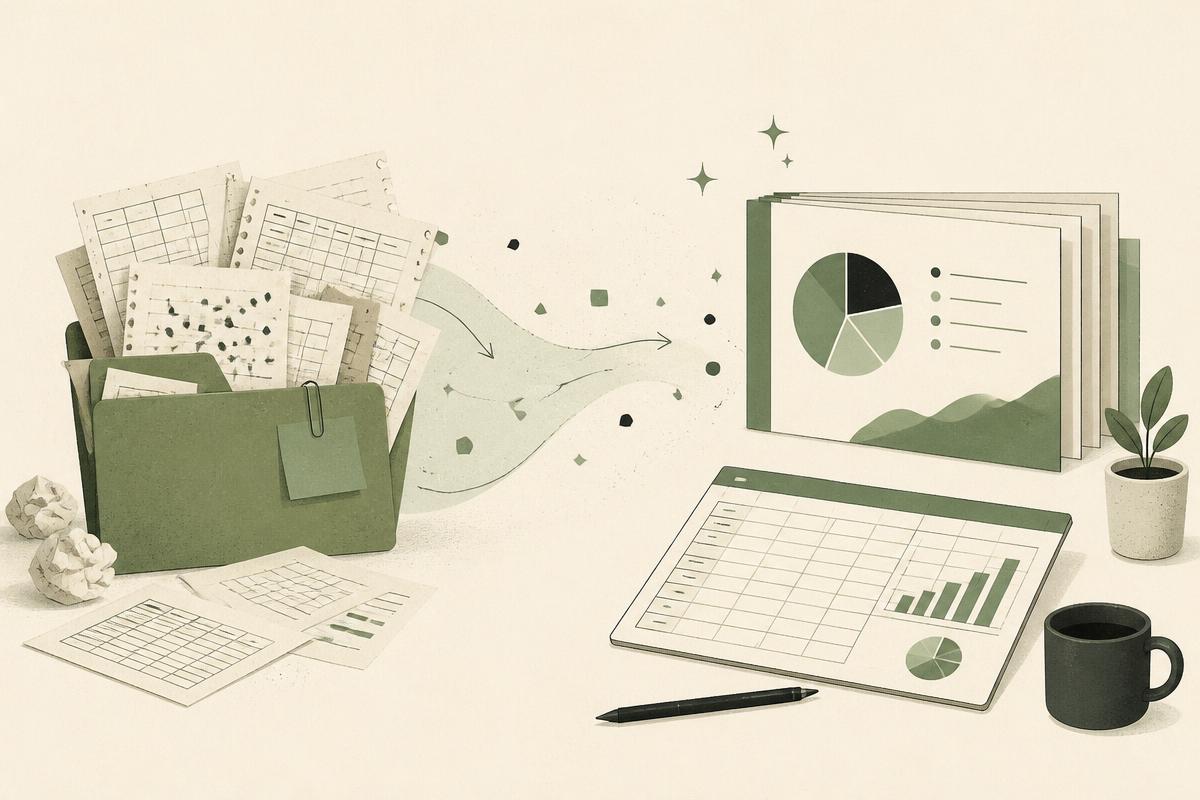
Work agents are the 2026 category shaped by delegated knowledge work: describe an outcome, let the system plan, read files, call connectors, and return something you can ship. Three global reference points illustrate different strengths, and each has documentation worth reading before you buy.
Claude Cowork (Anthropic) is the namesake product for this paradigm—agentic workspace sharing architecture with Claude Code, running in desktop and cloud sessions with folder scope, MCP tools, and scheduled tasks. Its strength is trustworthy multi-step execution in a sandbox: non-technical users get an agentic UI with default isolation, Skills/Plugins, and deliverables you can open in native apps. Cowork GA'd in 2026 with enterprise controls (RBAC, telemetry); web and mobile betas extend long tasks across devices. For "organize these research notes into a memo and slide outline," Cowork is often the fastest path.
ChatGPT Work (OpenAI) targets the same outcome-first delegation—replacing the deprecated ChatGPT agent mode with a Work surface alongside Chat and Codex. Its strength is breadth inside OpenAI's connector and browser stack: ambitious research, deck and table generation, form filling, and scheduled runs for recurring work products. OpenAI explicitly separates Work (individual delegated tasks) from workspace agents (team repeatable workflows with API triggers and Slack)—a useful type split when you are shopping.
Workspace agents (OpenAI Enterprise/Business and analogs) add a team strength: shared, triggerable workflows—sales briefs, procurement follow-ups, meeting prep—governed by org policy. They shine when the same playbook must run across many people with RBAC, not when one executive needs living memory of their kid's school calendar.
Chinese ecosystems mirror the work agent shape with IM-native context—worth one paragraph, not a separate market thesis. Doubao Work (ByteDance's Feishu-integrated work agent) ties into Feishu context and long cloud tasks; Tencent WorkBuddy Enterprise routes through Tencent Docs and suite permissions; Qwen Office (Alibaba's DingTalk-style work suite) integrates DingTalk-style IM capabilities. The pattern matches global work agents: deliverables plus organizational context, not a single user's cross-day life graph. They are ecosystem-bound work agents; useful references if your stack already lives there.
Work agents weakly serve personal continuity. Session memory plus in-scope files is not the same as durable life memory—vegetarian prefs, Maya as co-founder, Tuesday runs—that personal agents maintain as editable rows. They are typically reactive to goals you set rather than watching sleep plus calendar unless you wire custom automations. Data boundaries matter: sandbox and cloud sessions mean sensitive folders need explicit scope; community feedback highlights approval fatigue and upload trade-offs. Work agents also do not replace personal approval culture for your mail signature—they optimize work products, not your whole-day OS.
When a work agent is the better choice: you have a defined deliverable, authorized files, and a deadline—deck, diligence memo, cleaned dataset, team brief—not "keep my life coherent for the next ninety days."
Side-by-Side on Memory, Proactivity, Execution — and Scope
Compare both categories on four axes—not three. Memory, proactivity, and execution appear in every agent pitch; scope (personal life vs work deliverable) is the discriminator buyers skip. Draw a vertical line first: left, whole-day continuity (life admin plus work context as one person); right, work deliverable (this document, this model, this team workflow). Personal agents sit left; work agents sit right. Hybrid users live in the middle—that is normal—but products cluster at one pole. Today explicitly does not compete on "make a PowerPoint in Cowork"; its moat is living memory across days, proactive briefs, and confirm-gated connectors for the admin layer of your life. Cowork and ChatGPT Work honestly win the right side for one-shot factories. Pick scope first; then evaluate memory, proactivity, and execution inside that box.
On the three behavioral axes, the split is equally sharp once scope is fixed. Personal agents store durable, user-governed facts about your life—who, what you prefer, what you promised—with memory as the product, not an optional chat feature. Work agents store task context: files in folder, thread history, plan steps, connector outputs. That memory is deep for the mission and shallow for you as a person across months. Cowork remembers your research folder structure during a run; it is not automatically the system that recalls you never take meetings before 8am unless you embed that in a Skill or prompt every time. Today and peers invert the priority: memory rows persist so Tuesday's decision shapes Thursday's brief.
Proactivity and execution follow the same scope line. Personal agents initiate from life signals—calendar shifts, unread weight, sleep shortfall, deadline slip—within strict notification caps, asking whether a good human assistant would tap your shoulder. Work agents initiate from schedules you configure or long-running jobs you start: cron-like tasks, overnight deck builds, workspace triggers when a deal stage changes. Scout blurs the line as an always-on personal autopilot inside M365; ChatGPT Work offers Scheduled Tasks for work products. The proactive shape differs: day change vs job queue. On execution, personal agents write to personal systems—calendar holds, mail drafts, note updates—with confirm-before-send as a trust feature. Work agents write to sandboxes and work surfaces—create files, edit slides, browse, call MCP tools—with emphasis on artifact quality and parallel subtasks. Neither axis is "more agentic"; they point at different write targets. Trying to get living-memory proactive behavior from a Cowork session alone means re-architecting prompts; trying to get consultant-grade decks from a morning-brief personal agent means fighting the wrong tool.
When to Choose Each Option
If your week is a tangle of calendar moves, half-remembered promises, and context scattered across mail, notes, and messaging, an AI personal agent is the category built for that pain—not because it is smarter, but because it optimizes for continuity across days rather than a single output. You want morning and evening anchors that reflect your schedule and memory, not a blank prompt waiting for you to reconstruct context. Actions should land in calendar, mail, and notes with you confirming external sends, because the social cost of a wrong send or a bad hold is yours to bear. When health, travel, and work overlap, one continuity layer beats three disconnected chats that forget what you said last Tuesday.
Personal agents also fit principals and operators whose roles leak across domains: founders juggling investors and school pickup, caregivers coordinating appointments, freelancers who are their own admin department. The signal is re-briefing fatigue—if you paste the same context into chat every morning, you are paying a tax that durable memory and day-first briefs are designed to eliminate. Products like Today target whole-day life admin; peers from platform giants push similar narratives. None of them will polish a board deck from twelve raw CSVs—that is not the job—but they will surface the stale promise, propose the reschedule, and hold the slot until you approve.
A work agent is the rational choice when success has a filename and a deadline. You have a defined deliverable with inputs you can scope—a folder, exports, a brief, a template—and you need parallel subtasks, sandbox isolation, or team workspace agents with triggers more than you need something to remember your kid's school calendar. Claude Cowork, ChatGPT Work, and IM-native work agents such as Doubao Work or Qwen Office match stacks where document factories and org connectors already live. Repeatable work products—weekly report, model refresh, diligence memo—matter more than personal memory rows, and RBAC, audit trails, and org policy dominate the buying criteria.
Work agents honestly win one-off and repeatable knowledge-work pipelines. Delegate "turn these exports into a board-ready deck by noon" and walk away; the sandbox reads, plans, edits, and returns an artifact you can ship. They are weaker at whole-life coherence, and that is by design. If your pain is a deck due at noon—not dropped context across mornings—open Cowork or Work and delegate the artifact rather than forcing a personal agent into a VM-first workflow it was never built to lead.
Many teams and executives need both, because the same person often wears two hats in the same week—principal by day, deck owner by deadline. A founder might run a personal agent for calendar-and-memory continuity while an analyst on the same team runs Cowork or ChatGPT Work for spreadsheet and slide factories. The split is role-based, not brand-based: one tool guards against dropped balls across mornings; the other turns scoped inputs into shippable artifacts before noon.
The failure mode is expecting one subscription to cover both poles without integration. Marketing names overlap; jobs do not. Running both is a successful outcome when each tool stays in its lane—continuity on the left, deliverables on the right—and nobody asks the morning-brief product to render consultant-grade animations or the document factory to remember Maya is your co-founder.
Neither category is mandatory if your needs are narrow. Single-shot Q&A, occasional brainstorming, and strict no-connector policies are fine reasons to stay with a plain chatbot or reactive assistant. You do not need living memory to summarize an article or rewrite a paragraph, and you do not need a work sandbox to ask a factual question.
Deferring both purchases is equally rational when your pain is episodic rather than structural. Waiting until you have a concrete signal—re-briefing daily, or a recurring deliverable pipeline—beats buying an "agent" subscription because the launch headline was loud. A reactive assistant you already trust may be the whole stack for months before continuity or document factories earn their setup cost.
Conclusion
AI personal agent vs work agent is a scope question disguised as a brand question. Personal agents earn their name with living memory, day-tied proactivity, and confirm-gated execution across the life you actually live. Work agents earn theirs by delegating knowledge work to sandboxes and team workflows that return finished deliverables. Claude Cowork, ChatGPT Work, and workspace agents are excellent at that right-hand job; they are not substitutes for whole-day continuity unless you force them to be.
If your pain is dropped context across mornings—not missing slide animations—explore what Today is or get started now. Today is live on Mac, iOS, and Android, and free to use. If your pain is a deck due at noon, open Cowork or Work and delegate the artifact. Matching tool to job beats chasing the loudest "agent" launch headline.